History
From a Roman flower festival to a Monday in May
The National Trust’s history of May Day is a long walk: Roman Floralia, Gaelic Beltane, Welsh Calan Mai, forgotten street trades, a Puritan ban, and a bank holiday from 1978.
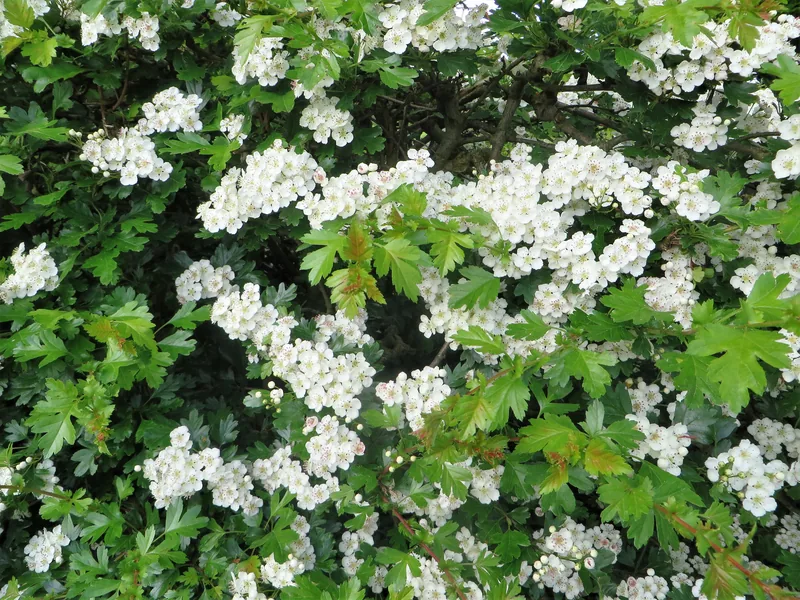
“The first day of May is a time to glory in the vitality of spring.” That is how the National Trust opens its history. It traces May festivities first to Ancient Rome. The Floralia, in honour of Flora, the goddess of flowers, fertility and spring, “took place between 28 April and 3 May.” It involved athletic games and theatrical performances. Later pictures, the Trust says, have “an elegant air,” but “in the ancient world they were notorious for lewd and chaotic behaviour. Vegetables were pelted and wild hares and deer were released into the crowds as symbols of fecundity.” [source]
In the Gaelic world, “the opening of the summer pastures for grazing was marked by the Beltane festival.” Wild blossoms decorated doors and windows, and “great bonfires were built on the last night of April.” Those rural traditions, first recorded in the early medieval period, “had come to an end by the middle of the 20th century but have since been revived.” In Wales, “where the first day of May is known as the Calan Mai or Calan Haf, these customs never died out.” [source]
Sweeps, silverware, and a May Queen in white
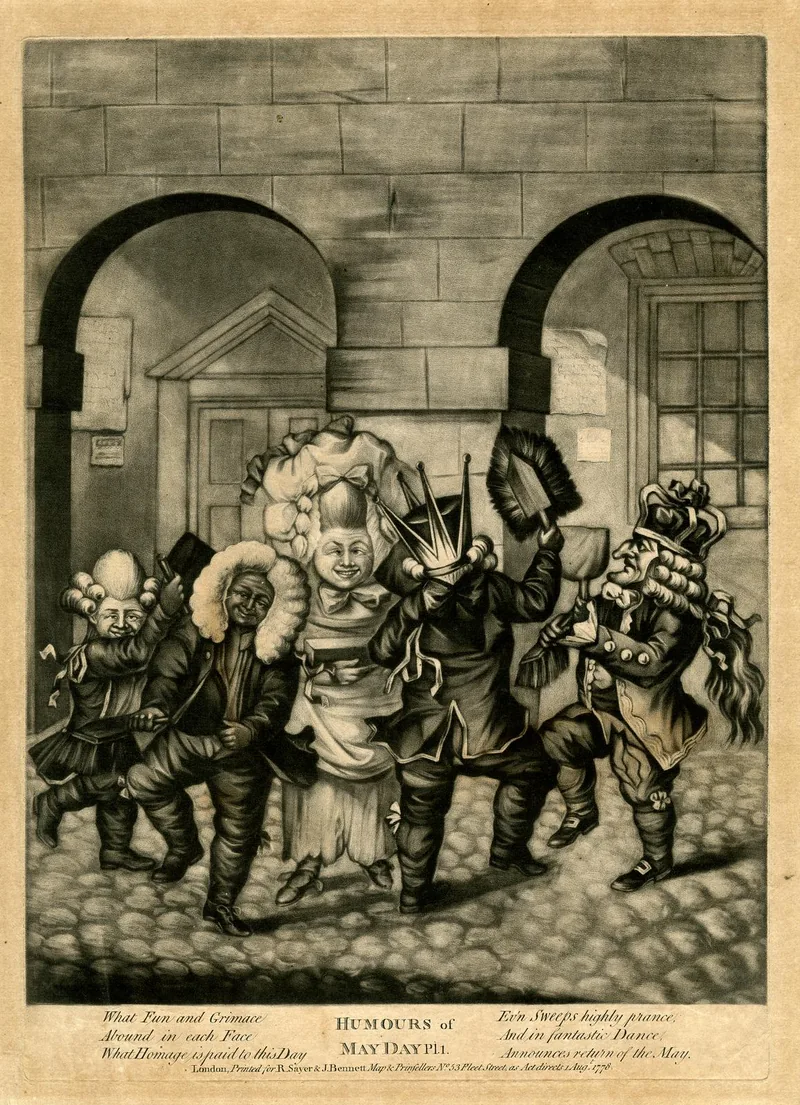
From the medieval period, the Trust says, May Day “began to emerge as a day of feasting and dancing in towns and villages across the British Isles.” “A host of exuberant traditions developed to mark the day, now mostly forgotten. Chimney sweeps wearing gaudy clothes would make mischief on the street and hustle for coins. Milkmaids would dance for pennies while balancing towers of borrowed silverware on their heads.” [source]
A “lord and lady” would be chosen from ordinary people to preside. “Eventually the focus shifted completely onto the woman and she became known as the May Queen.” In the late Victorian and Edwardian periods she was “embodied by a young girl decorously dressed in white and crowned with flowers,” with a “court” of other girls, “a symbol of purity and the promise of spring.” [source]
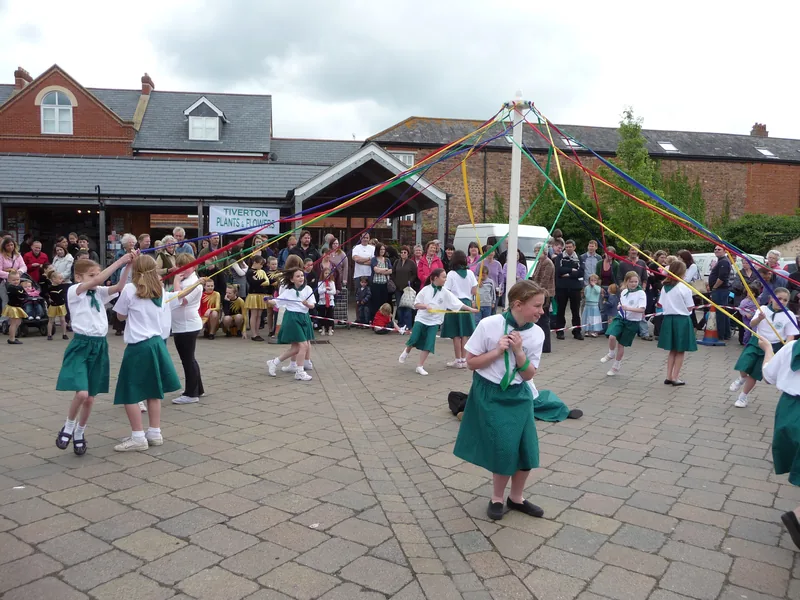
The maypole, “the quintessential image of May Day,” with dancers weaving long ribbons, “was first recorded in mid-14th-century Wales but eventually spread far and wide.” As time went by, the Trust says, it “evolved from an opportunity to flirt into a picturesque pastime for children, often tinged with nostalgia.” [source]
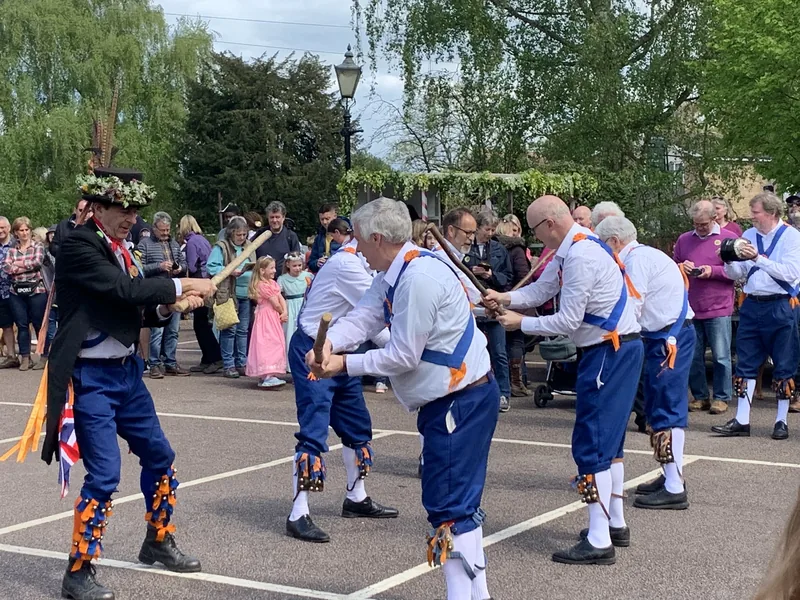
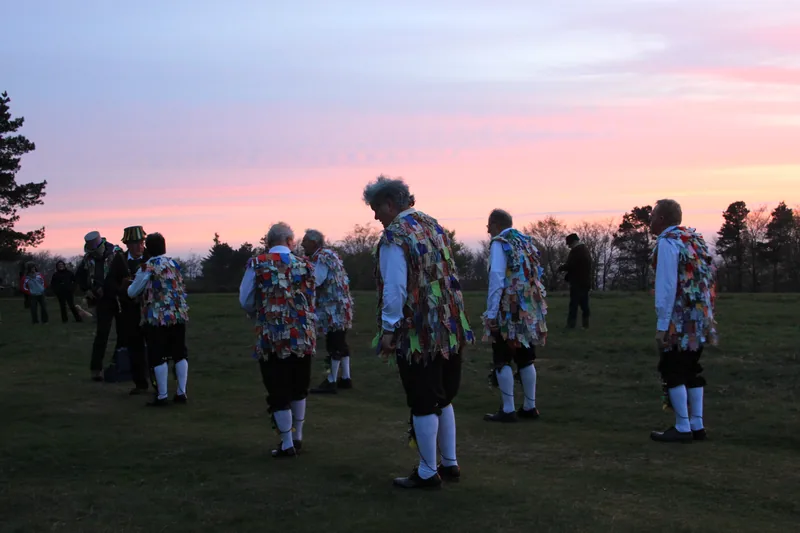
Not every maypole comes down when the dancing is over. At Ickwell, in Bedfordshire, Robin Hall photographed a “large, sturdy and apparently permanent” pole standing on the village green on 11 February 2006, in midwinter. On 1 May 2023, morris dancers were photographed at the Crown Inn, on the same green. The winter picture is why the pole’s permanence is visible; the May Day picture is why people still come. [source] [source]
The Trust also notes later May celebrations at places in its care. Schoolchildren have maypole-danced at Wallington, Quarry Bank Mill and Stowe. A postcard from about 1912, in the Dyrham Park collection, shows children from Dyrham School dancing at a maypole. Another, from 1914, shows a May Queen “standing at the centre, surrounded by her ‘court’.” In 2019, Stourhead marked a Festival of Flora “with a day of activities” and “garlands of daisies,” to the cry “Io Floralia!” [source]
Taken down, then raised again
“May Day has not always been welcomed as a festival of harmless fun.” Unrelated to the Christian calendar, and “all too reminiscent of pagan fertility ritual, attempts were sometimes made to suppress its revels.” “The most comprehensive campaign against May Day was waged during Oliver Cromwell’s Commonwealth. Upon the restoration of the monarchy in 1660, maypoles were raised across the land as a gleeful marker of the end of Puritan prohibitions.” [source]
A later chapter is political. “Back in 1891, the first day of May had been designated International Workers’ Day.” The May Day bank holiday, the Trust says, “was instituted by Michael Foot, then the Labour Employment Secretary, in 1978.” A later controversy, that page adds, came from people “who objected to the socialist connotations of the date.” [source]
The official GOV.UK list, all the same, now prints an Early May bank holiday every year. The dates change. Monday 4 May 2026, Monday 3 May 2027, Monday 1 May 2028: those are the official listings as read in November 2026. In 2020 the holiday was moved to Friday 8 May, to mark VE Day. In 2023 it stayed on Monday 1 May, with a separate coronation holiday a week later. The first of May, the maypole, and the official Monday are related, and they are not always the same morning. [source]
Keep exploring
Enjoyed May Day?
No pop-ups. No intrusive advertising. Just interesting stuff. A little support helps the next traditions site get built.